Pepper Sauce Font for Web Design and Branding
Pepper Sauce for Creative Portfolio Websites
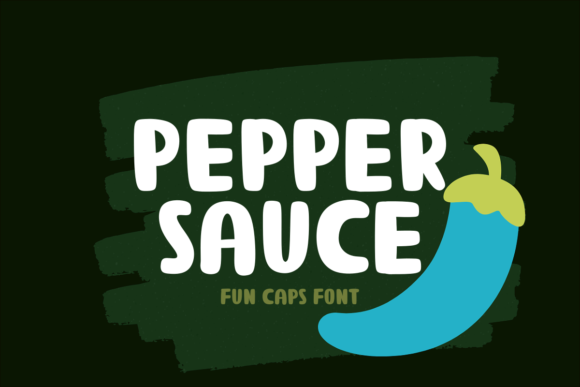
Pepper Sauce is a whimsical display font that brings an air of playfulness to digital projects. As a web designer, I've found it particularly useful for creative portfolio websites where personality and originality are key. The unique curves and embellishments in Pepper Sauce help highlight project titles and section headers, making them stand out against minimalist backgrounds. When paired with a clean sans serif font for body copy, Pepper Sauce adds visual interest without compromising readability.
Pepper Sauce in Hero Sections and Call-to-Action Areas
Using Pepper Sauce in hero sections can transform a landing page from ordinary to extraordinary. Its enchanting style works well for call-to-action areas where you want to grab attention immediately. Whether it's a "Start Your Journey" button or a headline about innovation, Pepper Sauce injects energy into the design. It’s especially effective when used sparingly—think bold headlines with subtle drop shadows to enhance legibility on both light and dark backgrounds.
Pepper Sauce for Boutique Online Stores
Boutique online stores thrive on individuality, and Pepper Sauce provides just that. The font’s whimsical nature aligns perfectly with niche brands that aim to create a memorable shopping experience. From product titles to promotional banners, Pepper Sauce helps maintain a consistent brand tone while keeping the visual hierarchy clear. For mobile responsiveness, ensure that the font size remains large enough to be readable on smaller screens, especially when used in banner graphics or category headers.
Pepper Sauce in Product Descriptions and Category Listings
While Pepper Sauce isn’t ideal for long blocks of text, it excels in short, impactful phrases like product names or category tags. Using it in conjunction with a more legible font for descriptions ensures that users can easily scan through listings without feeling overwhelmed. This approach maintains a balance between creativity and usability, which is crucial for conversion-focused layouts.
Pepper Sauce for Coaching Websites and Course Pages
Coaching websites and course pages often require a blend of professionalism and approachability. Pepper Sauce can be used strategically in these spaces to add a touch of warmth and creativity. Think about using it for section headings such as "Transform Your Skills" or "Unlock Your Potential." Pairing it with a modern sans serif font for body content keeps the design visually balanced while reinforcing the brand's tone of empowerment and growth.
Pepper Sauce in Blog Headers and Editorial Graphics
Blog headers benefit greatly from a font that draws the eye and sets the right mood. Pepper Sauce is perfect for blog posts that have a playful or imaginative theme. Whether it's a lifestyle blog, a creative writing platform, or a design resource site, the font adds a unique flair to headers and subheadings. For editorial graphics, consider using Pepper Sauce in sidebars or featured image captions to maintain consistency across your content.
Pepper Sauce for Digital Ads and Social Media Graphics
Digital ads and social media graphics need to be attention-grabbing within seconds. Pepper Sauce offers a whimsical twist that can elevate your ad creatives above the competition. Use it for headlines in Facebook, Instagram, or Google Ads to make your message pop. However, always test how it appears on different devices and platforms to ensure it doesn’t get cut off or distorted. Keeping the font size and spacing consistent across all formats will help maintain brand recognition.
Pepper Sauce in Landing Pages and Conversion-Focused Layouts
Landing pages are all about driving conversions, and the right typography plays a critical role in this process. Pepper Sauce can be used effectively in headlines and subheadings to convey urgency or excitement. For example, a headline like "Join Thousands of Satisfied Customers" styled in Pepper Sauce instantly communicates value and trust. Always pair it with a complementary font for supporting text to ensure the layout remains easy to read and visually appealing.
Pepper Sauce for Brand Identity and Logo Design
Brand identity starts with typography, and Pepper Sauce is a great choice for logos that aim to express creativity and fun. Its unique character makes it suitable for startups, creative agencies, or lifestyle brands looking to stand out. When designing a logo, consider how Pepper Sauce interacts with other brand elements such as colors and imagery. Testing it in different sizes and contexts will help ensure it remains legible and recognizable across all mediums.
Font Pairing Tips for Pepper Sauce
To maximize its impact, Pepper Sauce should be paired with fonts that provide contrast and balance. A simple sans serif font like Helvetica or Arial works well for body copy, while a serif font like Georgia can offer a more refined look for editorial designs. Experiment with different combinations to find what best suits your brand’s voice and the specific use case. Always check if the font includes multiple weights and styles to give you more flexibility in your designs.
Pepper Sauce for Responsive Web Design and Mobile Optimization
Responsive web design requires careful consideration of typography at every screen size. Pepper Sauce, while beautifully crafted, may not be suitable for small text sizes on mobile devices. Use it primarily for larger headings and ensure there is sufficient whitespace around it to prevent overcrowding. Testing your designs on various screen sizes will help you determine the optimal placement and sizing of Pepper Sauce in your layouts.
Commercial Licensing and Usage Rights
Before using Pepper Sauce on client projects, online stores, or digital templates, ensure that you have the appropriate commercial licensing. Many display fonts come with restrictions on how they can be used, so it's essential to review the license agreement carefully. Choosing a font with broad commercial rights will save you time and potential legal issues down the line, especially when creating brand assets for clients or selling digital products.